Clinical practice & operations
Connecting patient-centered clinical judgment with reliable, effective medication-use systems.
Advancing healthcare through clinical expertise, thoughtful innovation, research, and education. I'm interested in the questions that lead to better systems—and the people who help answer them.
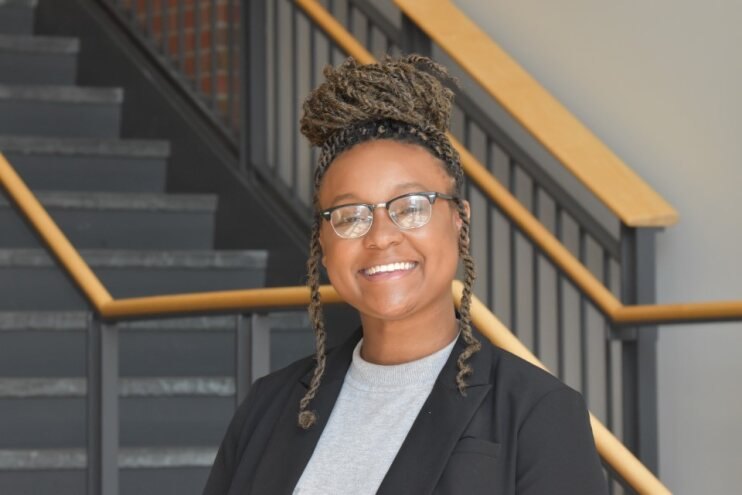
Each area informs the others. Together, they shape how I think about improving healthcare.
Connecting patient-centered clinical judgment with reliable, effective medication-use systems.
Asking meaningful questions, preparing useful data, and exploring the evidence behind decisions.
Investigating how technology can make healthcare workflows smarter without replacing human expertise.
Helping learners connect ideas, think independently, and see opportunities they hadn't imagined.
A few ways I've applied curiosity in clinical education, healthcare operations, and research.
A structured learning approach that connects literature, guidelines, and patient-specific reasoning.
Empowering technicians to troubleshoot independently and connecting frontline feedback with implementation teams.
A critical-care antifungal review that informed ICU Pyxis inventory changes while preserving access through main pharmacy.
I started in pharmacy with a love of learning. Along the way, I discovered that the questions that excite me extend from bedside care into systems, research, technology, and the people learning to use them.
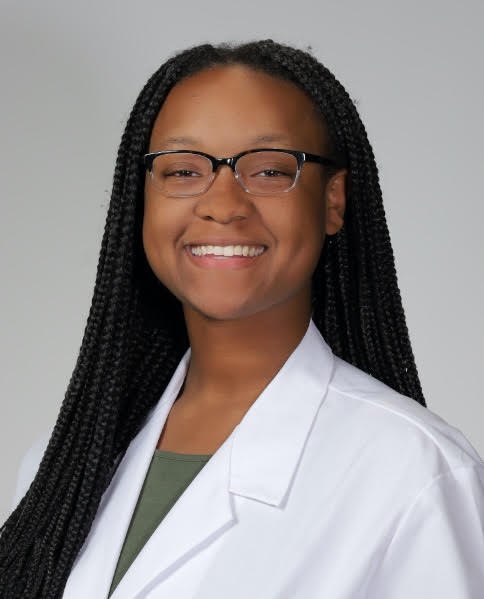
My educational journey began early: I earned an Associate of Science degree while in high school, completed my remaining prerequisites, and entered pharmacy school. Clinical pharmacy gave me a foundation in evidence-based decision-making, teamwork, and patient care.
But I became increasingly interested in the systems surrounding clinical practice. A Sparx Academy Excel course introduced me to new ways of working with information, including Excel and SQL. Later, supporting a Tecsys rollout showed me how much thoughtful technology implementation depends on people, workflow, and communication.
Now, while pursuing graduate study in informatics and analytics, I'm exploring data cleaning, statistical analysis, and responsible AI. I'm energized by how these disciplines can strengthen healthcare—not because I have every answer, but because they open up better questions.
I love testing a hypothesis, discovering how something works, and using that understanding to approach something unfamiliar. I want learners to do more than remember information for the moment. I want them to carry the reasoning forward and apply it independently.
That philosophy shapes the way I precept, the way I approach workflow problems, and the way I imagine healthcare technology: tools should extend human understanding, not replace it.
“The most exciting part of learning something new is discovering what else becomes possible.”
Travel is one of the ways I stay curious. I enjoy exploring new places, experiences, and perspectives—and bringing that sense of discovery back into everything I do.

A collection of clinical education, operational implementation, and research experiences that connect evidence to everyday work.
My precepting approach gives learners multiple ways to build and apply understanding—from a disease state to the literature to an individual patient.
Interactive chalk talks establish foundations. Drug information responses connect questions to primary literature. Patient case presentations require learners to combine guidelines, evidence, and patient-specific factors. Structured workups give them a repeatable process for clinical assessment.
The goal: not simply knowing the answer, but being able to reason through the next case independently.
Build understanding. Apply it with purpose.
Create a strong, adaptable foundation.
Connect questions to high-quality literature.
Integrate information to make sound decisions.
Apply knowledge in real patient care.
These teaching materials are shared as examples of my educational approach. Student-authored work is credited as student work created during preceptorship; material is educational and not patient-specific treatment advice.
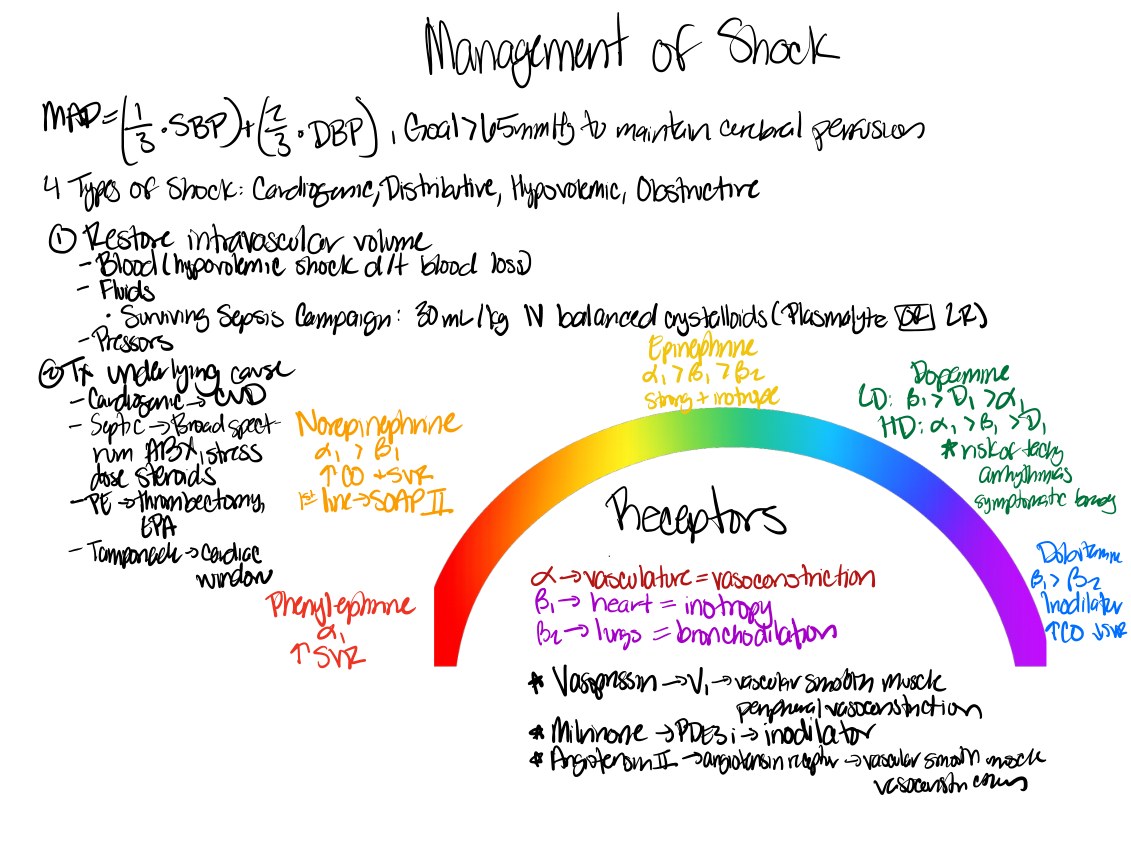
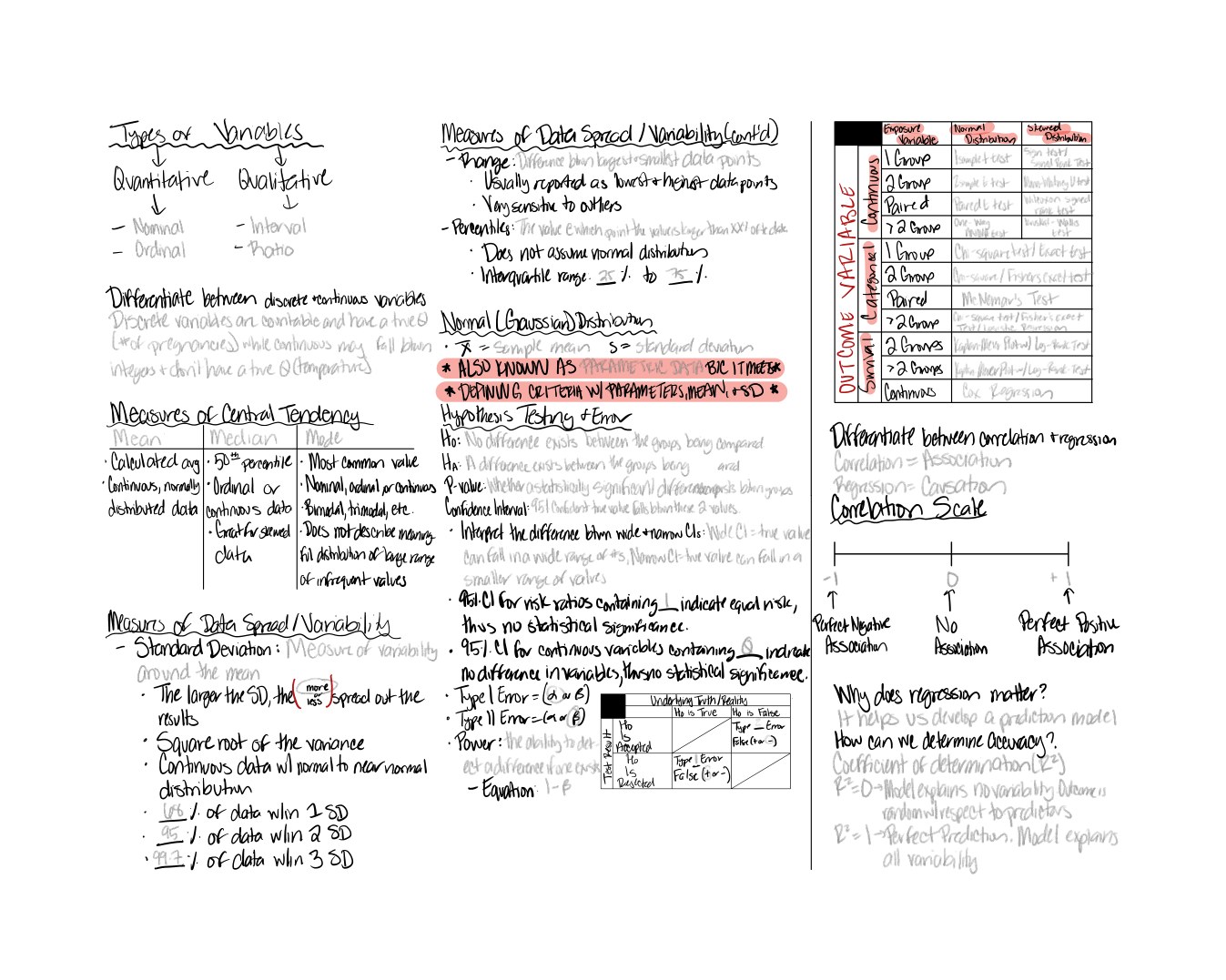
My educational framework connects guided patient workups, interactive chalk talks, drug information responses, and patient-specific case presentations. The downloadable third-year drug information response and second-year case presentation are student-authored examples completed during my preceptorship. They demonstrate the inquiry and synthesis I encourage.
During the Tecsys rollout at UNC Medical Center Hillsborough, I supported technicians as they learned to navigate new workflows, prioritize issues, and troubleshoot independently.
I focused on a practical sequence: identify the problem, locate the right information, then correct or escalate the issue. Feedback from the frontline was an important part of improving the system.
One issue involved products incorrectly appearing as backordered because their statuses were out of date. I helped escalate this problem; it was among several reports that contributed to the development of a troubleshooting SOP.
During my postgraduate pharmacy residency, I led the execution of a critical-care antifungal medication-use evaluation. I collected patient-level information using Epic SlicerDicer, reviewed prescribing patterns and fluconazole exclusions, analyzed the findings, and authored the written assessment and recommendations for the Critical Care Committee.
The review identified patients continuing micafungin without documented reasons to avoid fluconazole. The evaluation contributed to an inventory change: micafungin was removed from ICU Pyxis stock while premixed fluconazole bags remained stocked. Micafungin remained available from the main pharmacy when clinically indicated.
Rather than eliminating treatment options, the change adjusted immediate unit-level availability and underscored the connection between clinical analysis, stewardship, and operational decisions.
Descriptive utilization review; not a comparative outcomes study.
My professional interests are evolving at the intersection of healthcare, research, operations, technology, and education. These aren't predictions or promises. They're directions I'm excited to explore.
I want to contribute directly to the statistical work behind research—cleaning datasets, selecting appropriate tests, investigating hypotheses, and helping teams interpret results with care.
How might we identify workflow bottlenecks earlier, improve dispensing dashboards, or use predictive inventory methods to reduce avoidable friction? Clinical operations gives me a practical lens on these questions.
I imagine AI assisting—not replacing—clinicians: locating relevant labs within defined time windows, surfacing information from authorized patient records, supporting chart review, and reducing repetitive data gathering. Privacy, reliability, and human review are essential.
I want students and colleagues to discover what else a pharmacy background can make possible—from research and analytics to informatics, technology, and interdisciplinary collaborations they may not have encountered before.
“Technology should expand what healthcare professionals can understand and accomplish—not replace their judgment.”
Whether you're exploring a professional opportunity, developing a research idea, or simply interested in connecting across disciplines, I'd love to hear what you're working on.
I'm open to conversations about roles at the intersection of clinical expertise, health informatics, analytics, research, healthcare technology, and operations.
From clinical education to research and responsible AI, I enjoy exchanging ideas with people who are curious about where healthcare is going.
Submitting opens your email application with a prepared draft addressed to me. No form data is stored on this site.